

The recent escalation along the Assam-Meghalaya border demonstrates how localised activist demonstrations can rapidly destabilise an entire region’s commercial and social fabric. The crisis erupted on August 19, 2026, when a black-flag rally organised in Shillong by the Khasi Students’ Union demanding recruitment reforms and the implementation of security laws turned violent. Unidentified masked agitators targeted Assam-registered tourist vehicles, resulting in widespread property damage, arson and physical injuries to commuters. The backlash across state lines was instantaneous: transport bodies like the Assam State Driver’s Association staged retaliatory blockades at the Jorabat and Khanapara border gateways, turning back Meghalaya-registered traffic.
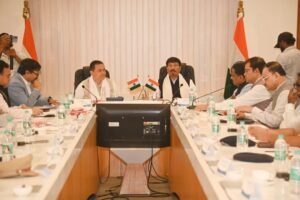
Due to the ongoing unrest, Assam and Meghalaya are set to hold delegation-level talks in Guwahati on Saturday. A Meghalaya delegation headed by its Deputy Chief Minister Sniawbhalang Dhar is meeting Assam Border Protection and Development Minister Atul Bora at the State Guest House in Koinadhora to discuss measures to defuse the situation and restore normal movement between the two states. These talks come amid continued protests at Jorabat, the key gateway to Meghalaya from Assam, where Meghalaya-registered vehicles have reportedly been stopped and turned back for the third consecutive day.
Commercial transport bodies, including the Assam State Driver’s Association and regional tourist cab unions, operate under deep frustration due to a recurring cycle of violence along shared transit corridors. The primary trigger for this anger is selective targeting and physical vulnerability. During localised rallies, agitators frequently identify vehicles by their registration prefixes, leading to targeted stone-pelting, broken windshields and direct physical injuries to drivers and passengers. Compounding this fear is the burden of uncompensated financial loss. Commercial taxis and freight trucks represent heavy personal loans and capital investments. When vehicles are vandalised or set on fire, drivers face immediate out-of-pocket repair costs and lost operational days without swift compensation mechanisms. This creates a sense of a security vacuum along key trade routes and national highways. Transport unions express frustration when permitted demonstrations escalate into street violence while security forces fail to offer immediate protection. As a result, associations resort to defensive highway blockades at Jorabat and Khanapara to compel state intervention and demand safety guarantees. The financial and operational toll on transport associations and the broader regional economy is reflected across key data points. Over 31 vehicles, including tourist taxis, private cars and government SUVs, were damaged during the initial rally in Shillong.
Managing such sensitive inter-state volatility requires targeted, impartial governance rather than blanket restrictions on innocent commuters based on vehicle license plates. Authorities must pursue strict, individual criminal accountability for acts of violence while establishing real-time joint communication channels between district administrations to counter panic-inducing social media rumours. Proactive civil dialogue with student bodies and commercial driver unions is vital to ensure that legitimate advocacy never targets transit workers or ordinary travellers. The human cost of highway blockades ultimately falls heaviest on vulnerable workers and low-income citizens. Commercial truck drivers and tourist cab operators suffer severe wage loss while stranded along highways without basic amenities or safety guarantees. The North East Petroleum Mazdoor Union was forced to halt oil shipments due to security concerns, triggering localised fuel shortages and panic buying across Meghalaya. Meanwhile, roadside vendors, daily-wage labourers, emergency medical patients and students bear the heaviest burden of prolonged interstate paralysis.
Distipanna Bhuyan