

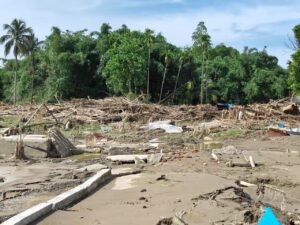
The Assam Water Resources Department is set to expedite the construction of a critical riverbank protection embankment along the Dikhow river near Nepali Khuti, following a catastrophic wave of flooding that drastically reshaped local sentiment regarding regional flood control infrastructure. The Water Resources Minister Susanta Borgohain revealed that the state government had originally approved and sanctioned funds for the Dikhow river embankment project last year. However, execution of the civil engineering work hit an immediate and prolonged impasse due to stubborn local opposition surrounding land acquisition.
At the time, community members and landholders living in and around the Nepali Khuti area were unwilling to surrender their private land holdings for the construction footprint. Operating under the long-held conviction that their immediate geography was safe from major inundations, residents maintained that an embankment was an unnecessary project that would needlessly fragment their agricultural and residential plots.
The situation transformed dramatically following this year’s monsoon deluge, during which the overflowing Dikhow river unleashed unprecedented flash floods and rapid erosion across Nepali Khuti. The surge left extensive structural damage, ruined crops and eroded topsoil stretching as far as the eye could see across the landscape. Faced with the reality of riverine destruction, the local mindset underwent a complete reversal. Minister Borgohain noted that after suffering heavy material losses firsthand, affected families are now actively stepping forward to voluntarily offer their land plots to ensure the protective embankment is built without further delay. The proposal to formalise the land allocation and clear the final path for construction is slated for expedited review and approval during the state Cabinet meeting on Tuesday. Once administrative clearance is secured, the Water Resources Department intends to quickly mobilise survey teams and heavy engineering machinery to fortify the riverbank and shield the vulnerable settlements from future monsoonal surges.
Distipanna Bhuyan